AEROBIZ Data Center Products
Physical Space
Storage needs a new beat
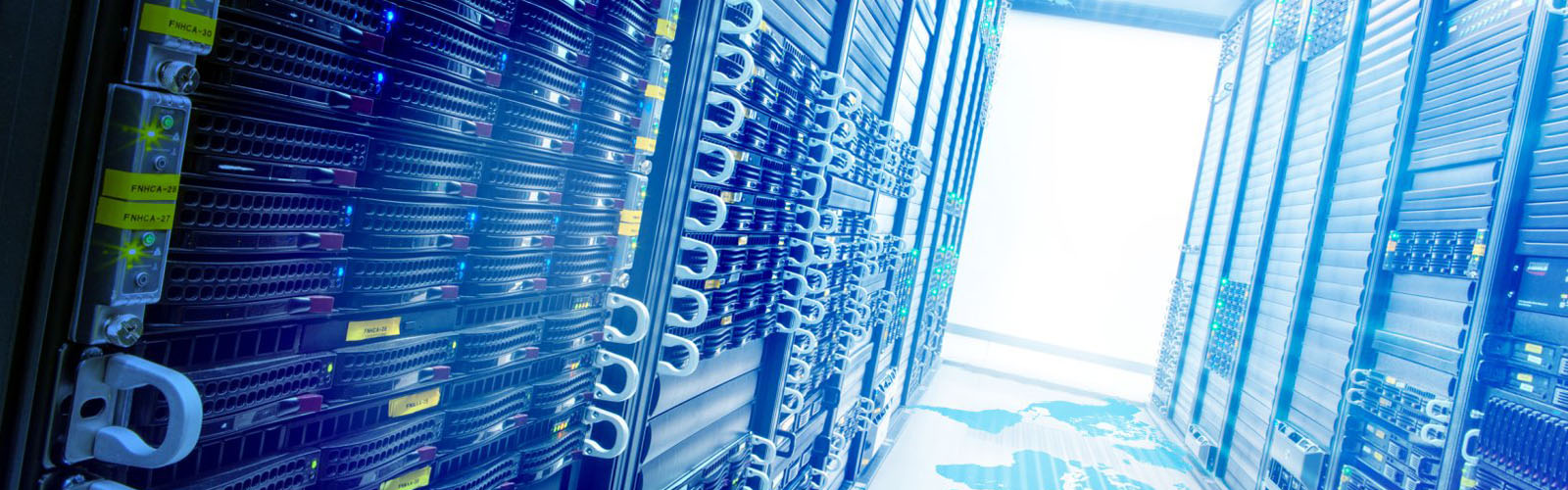
Data Center Knowledge pointed out that many manufacturers are designing their storage products with cloud connectivity built-in. One area of the industry that is bound to see some changes with new ideas about physical space in the data center is storage. The industry is likely to trend toward more agnostic storage designs, allowing one device to reach multiple clouds, as means of helping physical storage stay relevant as a complement to the cloud.
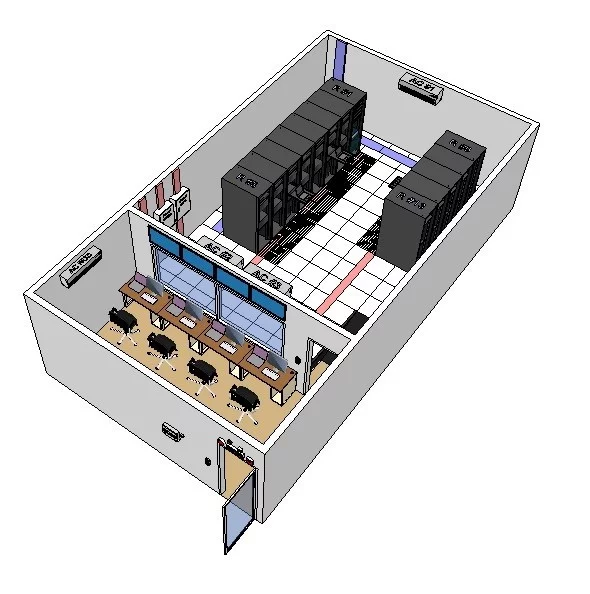
To support scalability and efficiency for mission critical facilities, data center managers often invest in white space fit-outs. Fit-outs prep the ideal space for a rack, and a successful white space fit-out will provide a place to roll racks into with power and communication infrastructure available on location for plug-in.
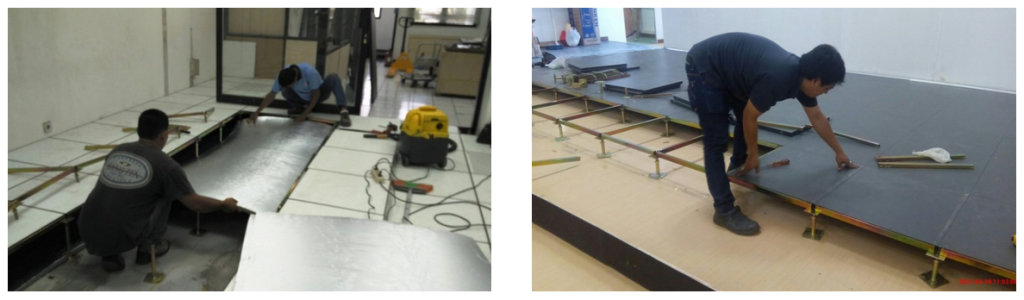
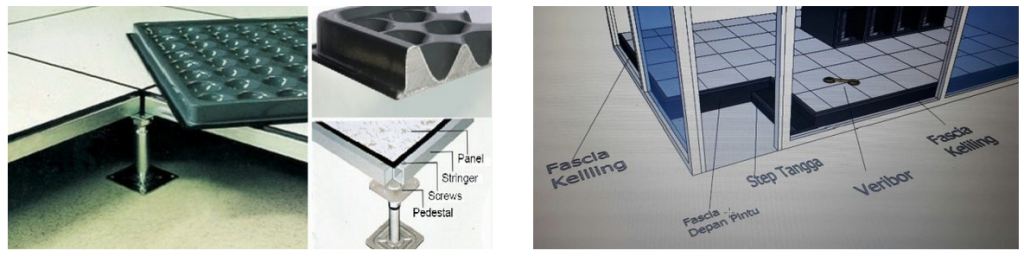
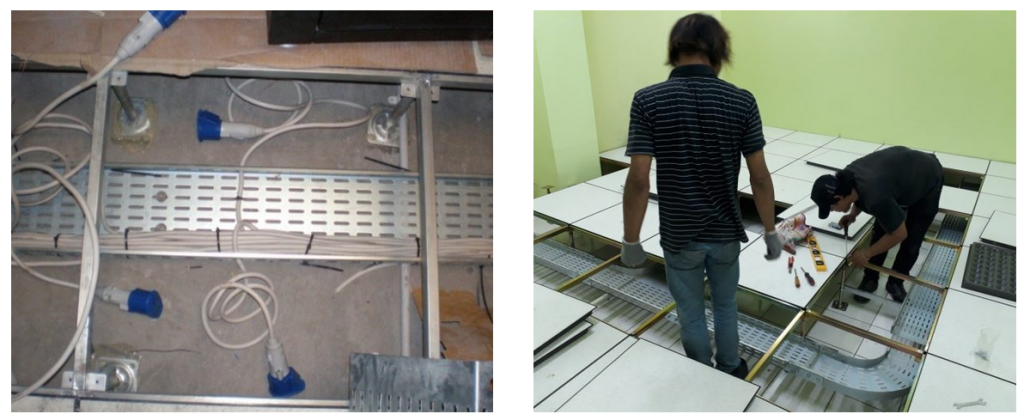
Raised Floor
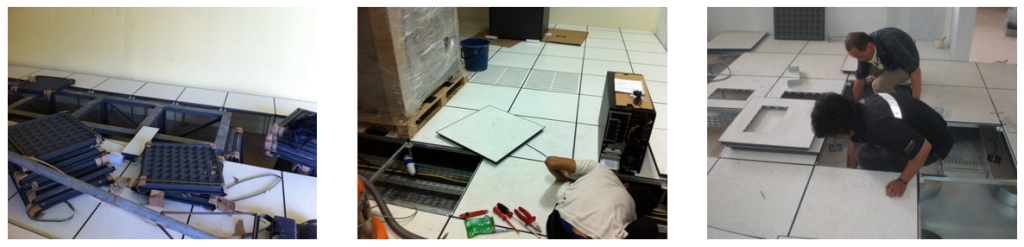
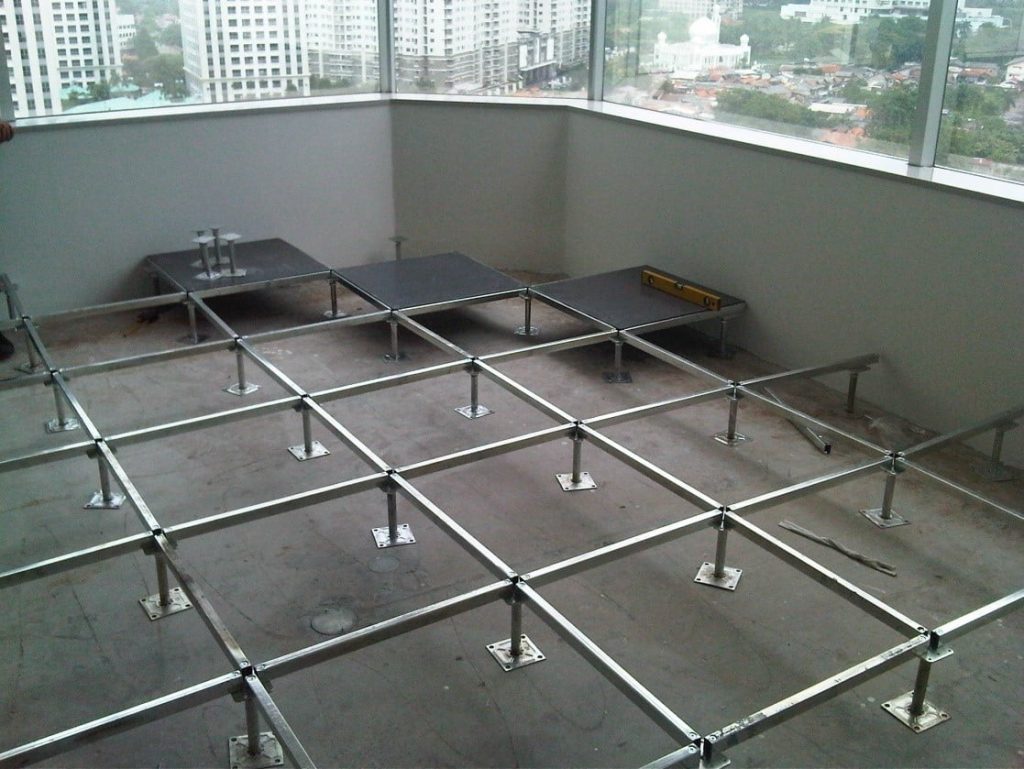
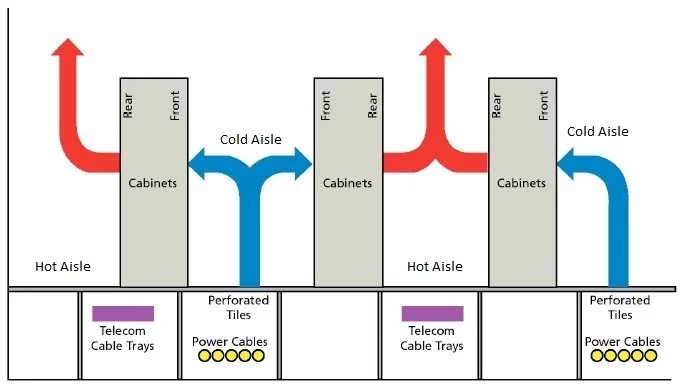
A raised floor is a data center construction model in which a slightly higher floor is constructed above the building’s original concrete slab floor, leaving the open space between the two floors for wiring or cooling infrastructure. Raised floors often are built to accommodate data center equipment. They are also used to help control air flow throughout the data center and reduce the intake air temperature of IT equipment and servers.
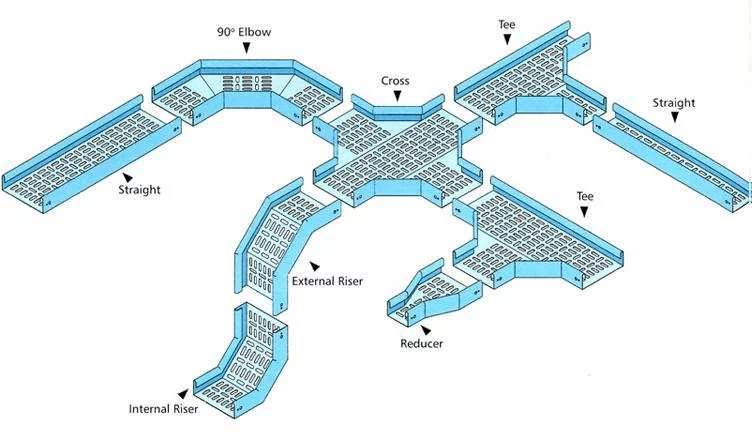
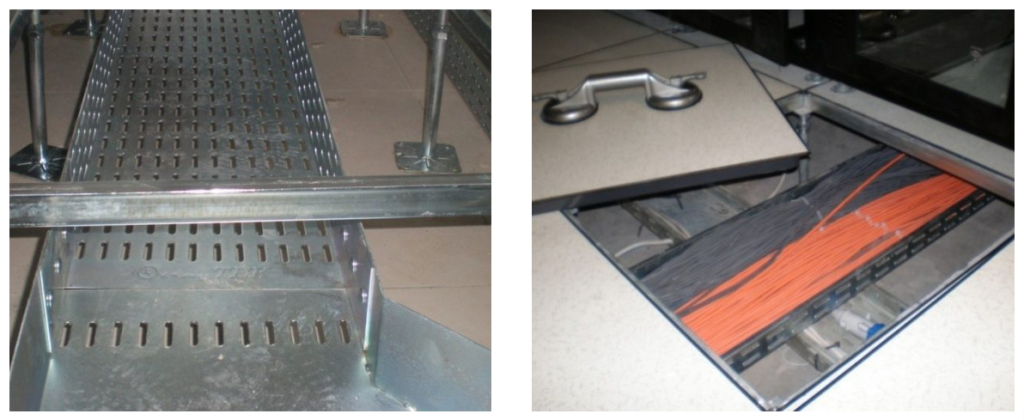
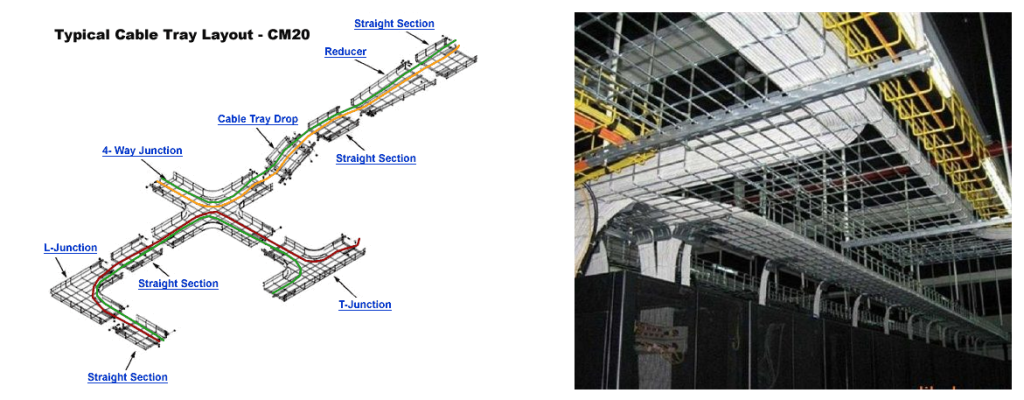
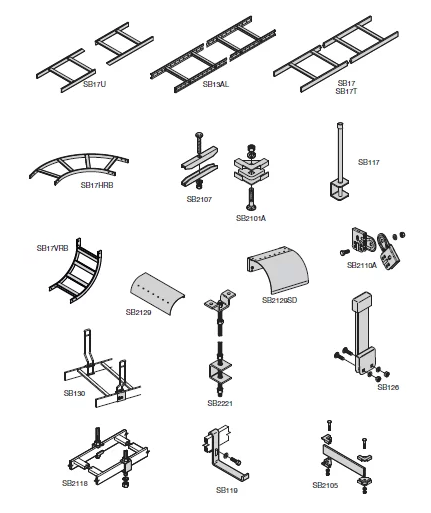
Cable Pathway
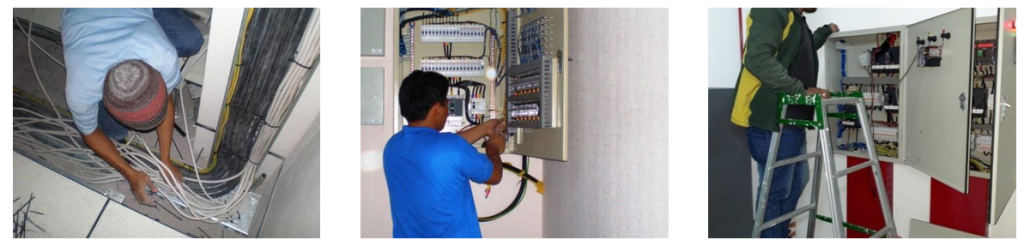
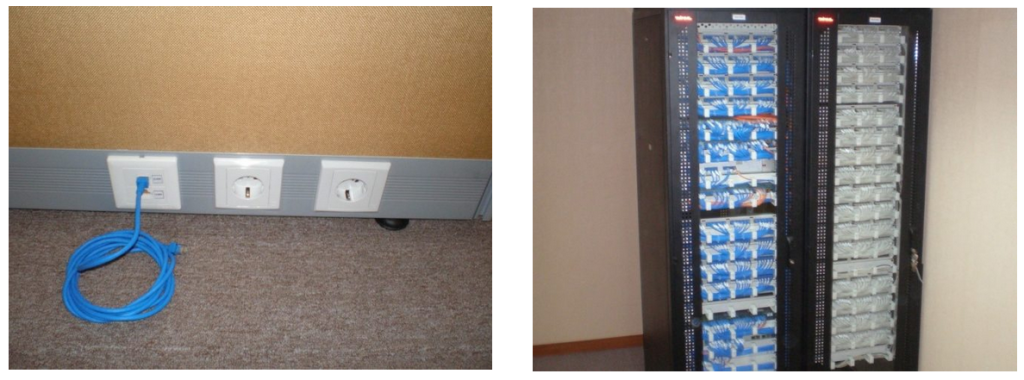
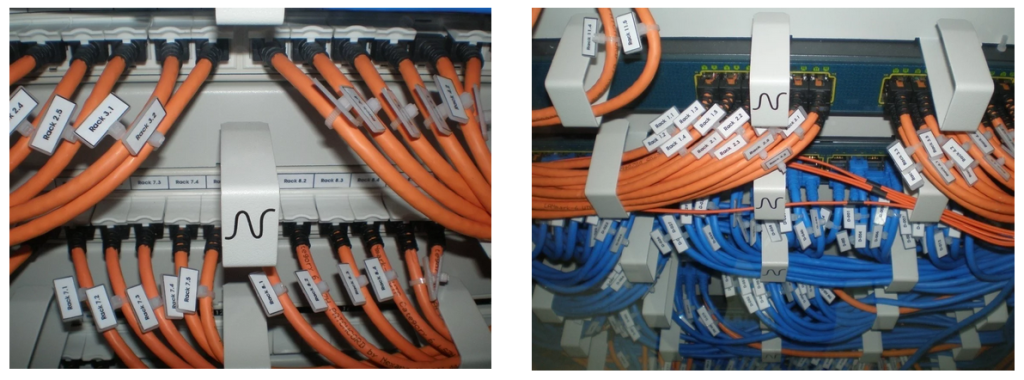
The network and connectivity brought about by the cabling in data centers are at the core, making it possible for businesses to run smoothly daily. Data center cables vary from fiber optic cables to copper cables, depending on the equipment and its requirements. Regardless of the cabling use under consideration, data center cable management must be approached with foresight or risk a cascade of problems after the fact.
What Is Data Center Cabling and
Data center cabling refers to the physical aspect of connecting all components of a data center and proper cabling in data centers is crucial in ensuring its structure is organized and optimized for effective performance. Industry cabling standards for data centers are to ensure safety and provide the basis for building an integrated infrastructure. At the same time, they also offer guidelines for maintaining high levels of cable performance for the next several years.
Electrical Data Center
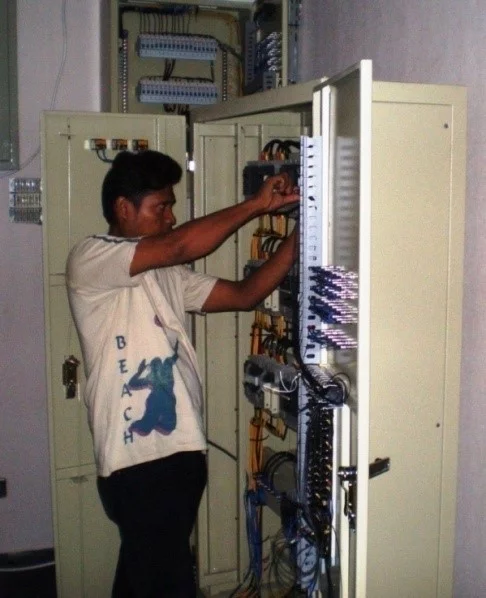
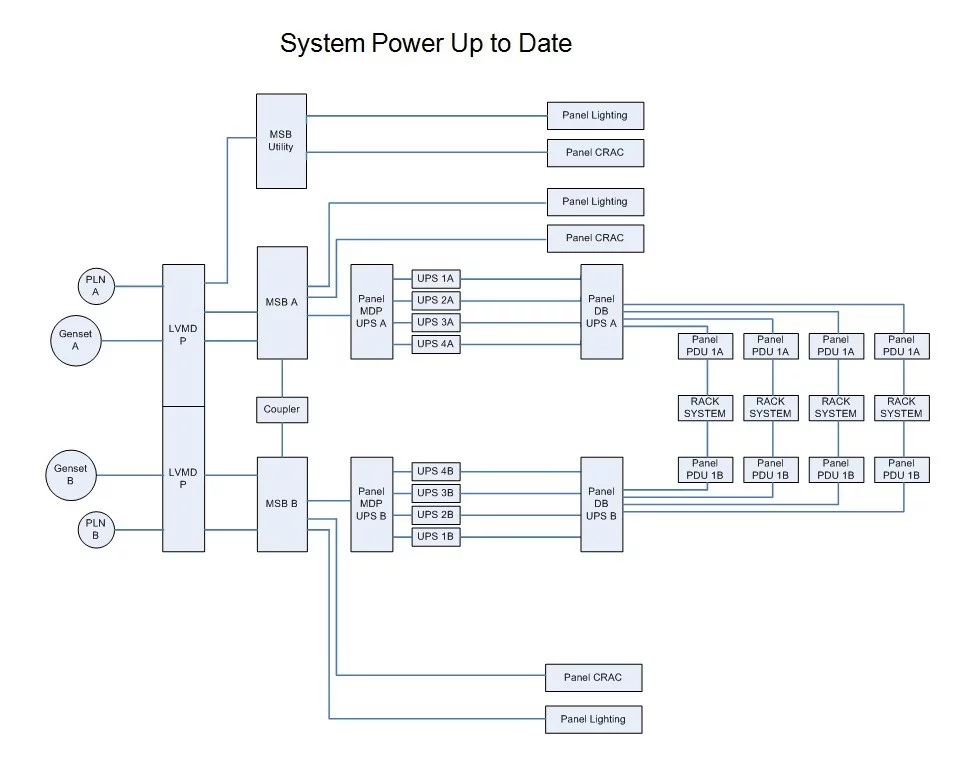
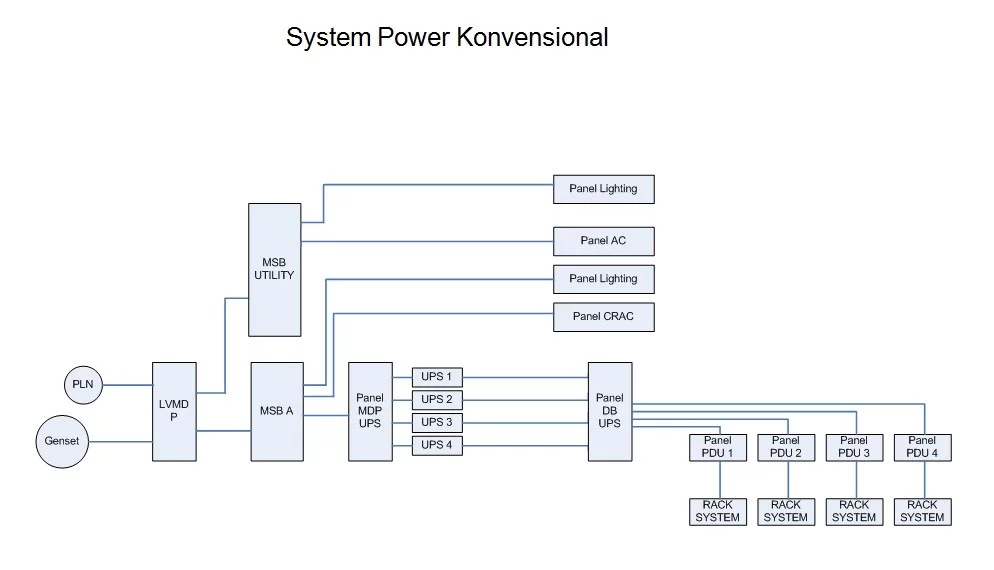
The delivery of electrical power from a power source to IT equipment is part of its power distribution system. To ensure availability and reliability, a power distribution system needs to be designed and supported so that it can deliver a power supply to all in-use IT equipment at all times.
Power distribution is one of the most important considerations for a data center that is easy to take for granted. Generally, data center power distribution isn’t an issue until a moment of crisis – a power outage, extreme weather, or equipment failure, for example.
Uninterruptible Power Supply
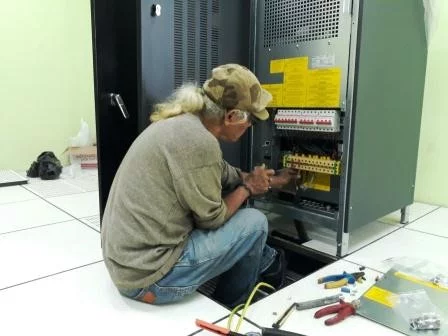
Uninterruptible power supply (UPS) systems secure uptime of large data centers and provide facility-wide protection for sensitive electronics. They have redundant configurations and dual bus capabilities to make sure your critical systems will keep running during power disturbances such as blackouts, brownouts, sags, surges or noise interference.
These UPS systems allow modular configuration of a completely redundant power and control system, sized to match the capacity of the protected equipment. When power requirements change, capacity is easily added without increasing the system footprint.
Some systems scale from 15 to 45kW in a cabinet configuration that includes internal batteries, or from 15 to 90kW in 15kW increments in a configuration that reserves a cabinet for capacity that is paired with an external battery cabinet. This approach allows for right-sizing of the UPS system, resulting in improved energy efficiency and reduced power expenditures.
Cooling Systems
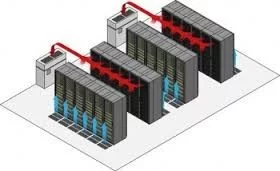
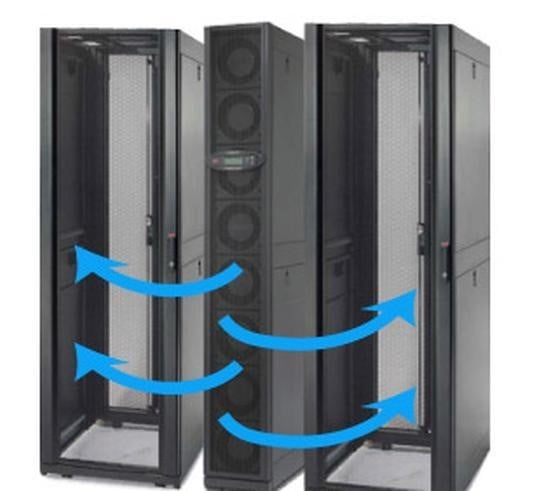
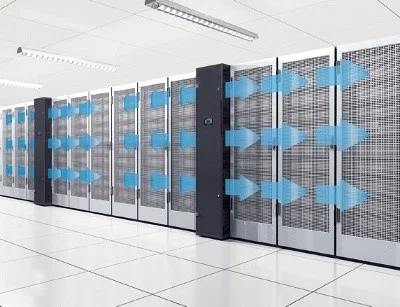
In today’s world, every computing task requires the work of a specific data center. From streaming your favorite show to using your browser, each process is funneled through a server at a data center. As a result, these data centers have to process large amounts of data from across the globe in short periods. Naturally, this entire process uses a lot of energy and therefore generates a lot of heat. This is why cooling data center infrastructure is a very important aspect of building an efficient data center. We’ll go on to explore even further in this article why data center cooling is so critical.
Fire Detection & Suppression Systems
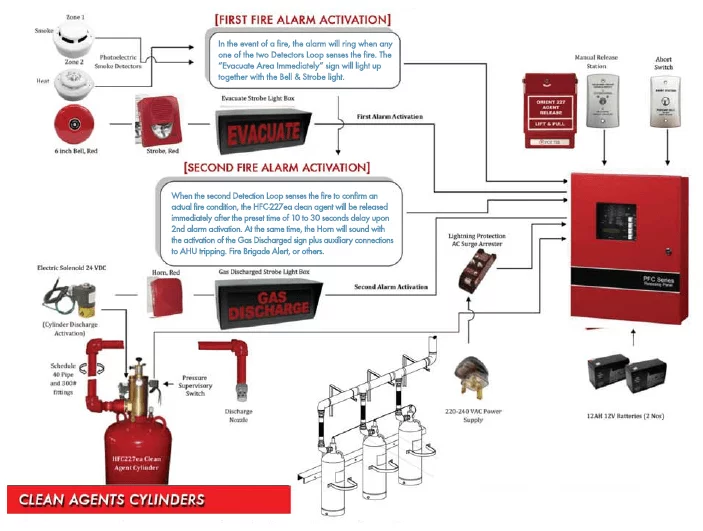
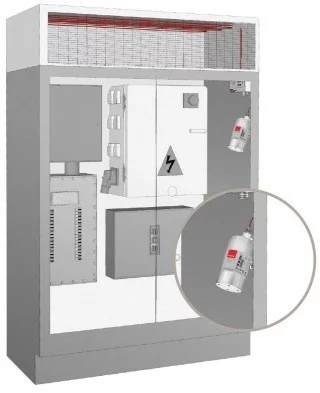
In the digital age, data centers and server rooms are the backbone of business operations, storing critical information and supporting essential services. Fire protection for these environments goes beyond standard safety measures, requiring specialized fire suppression systems tailored to the unique needs of IT infrastructure. Control Fire Systems offers expertly designed solutions to protect valuable technology assets from fire risks. Our approach ensures the safety of your data and equipment, minimizing potential downtime and loss. This content explores the advanced fire suppression technologies and strategies essential for data center and server room environments, highlighting the benefits of our specialized solutions.
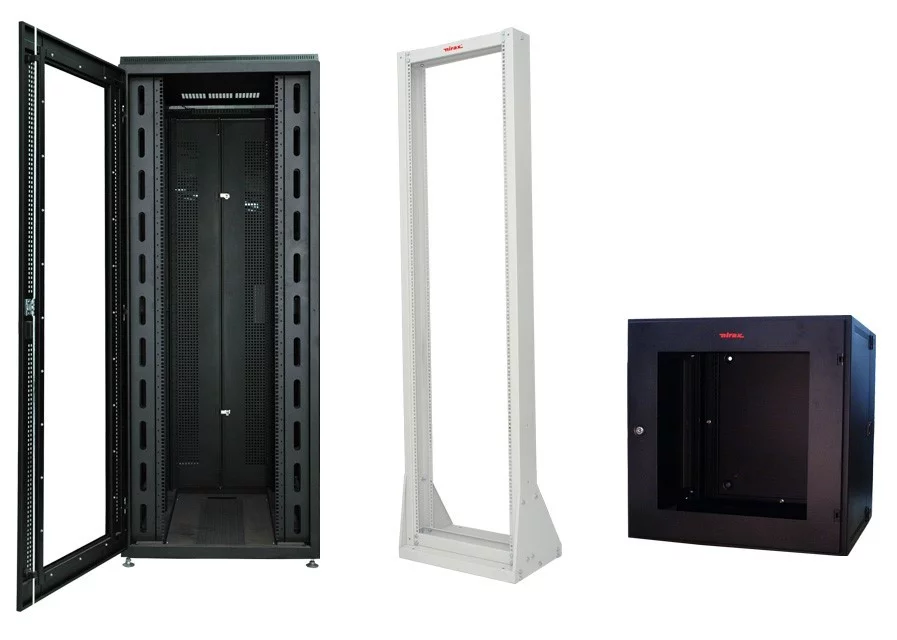
Equipment Racks, Cages & Containment
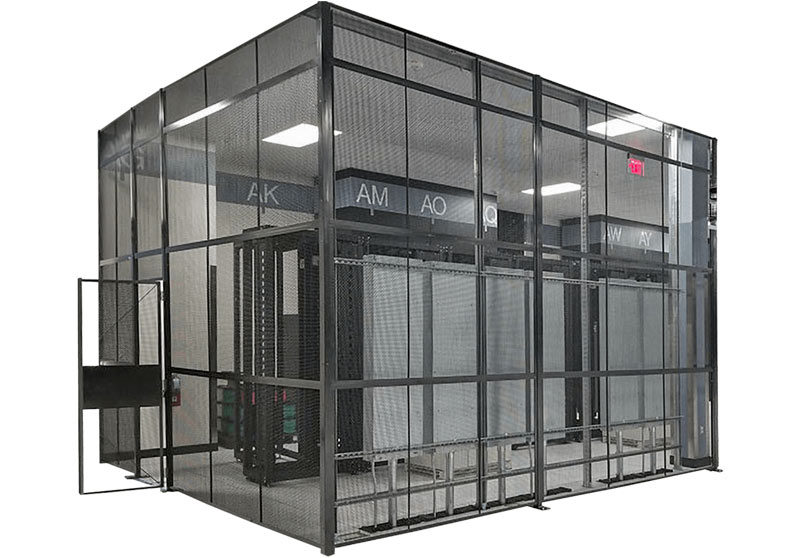
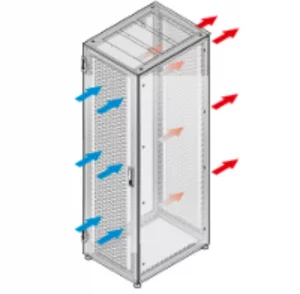
Cages system provide a method of segregating customer racks and equipment into defined zones, providing a high level security for equipment which is contains multiple user.
With the increasing need to provide a secure method of housing equipment within a co-location data center environment, Cages system can provide and install with the customized design.
Standard Panels of varying finishing is offered to achieve cage heights of 2400mm or 3000mm. Other standard inclusions consist of a sliding or hinged door fitted with a customer supplied locking mechanism. Cages system can be customized to suit the requirements of data center, manufactured with powder coated finished, standard sized components are offered to achieve cage heights of 1200mm or customized. Other standard inclusions consist of a sliding or hinged door fitted with a customer supplied locking mechanism.
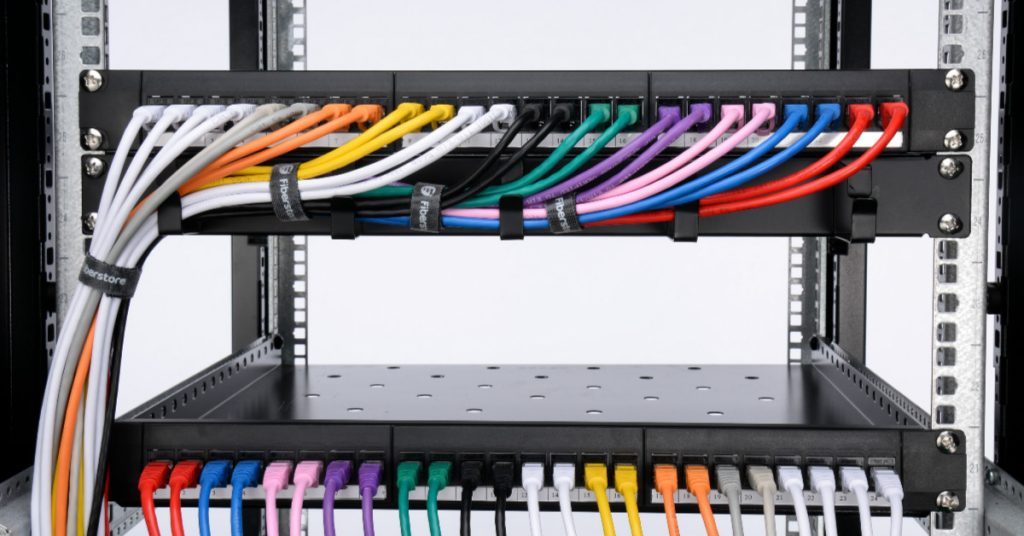
Structured Cabling
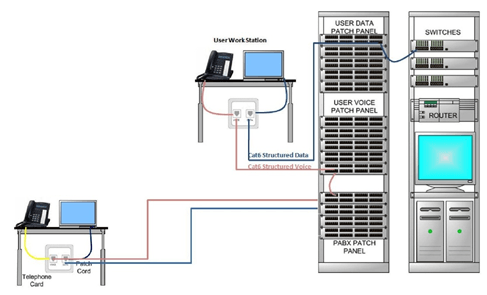
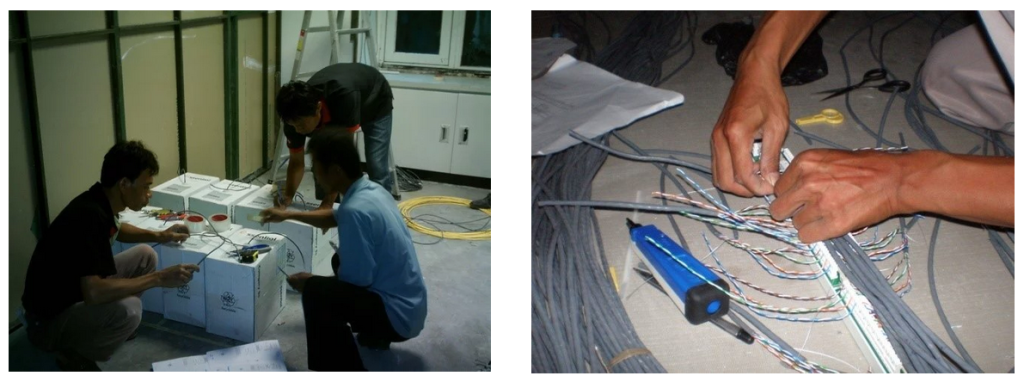
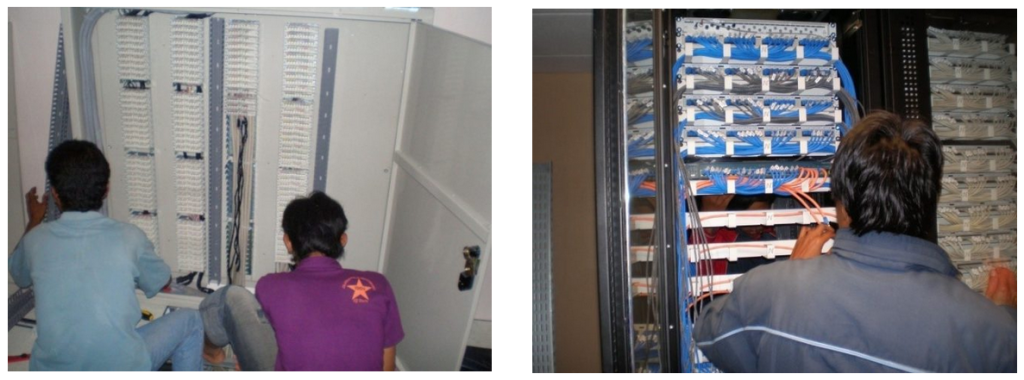
With thousands of connections and extensive requirements for uptime and maintenance, data centers demand highly organized cables. Structured cabling is crucial for well-managed, efficient and reliable data center operations. Explore this guide to structured cabling in data centers for more information on implementing a dependable solution in your facility.
Physical Security
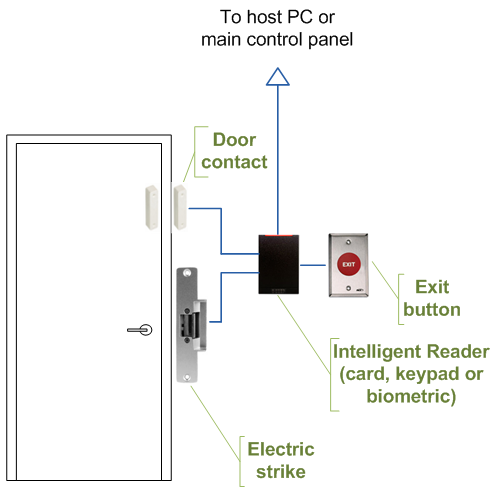
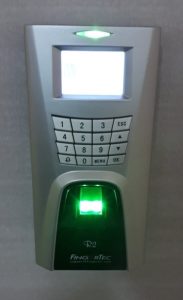
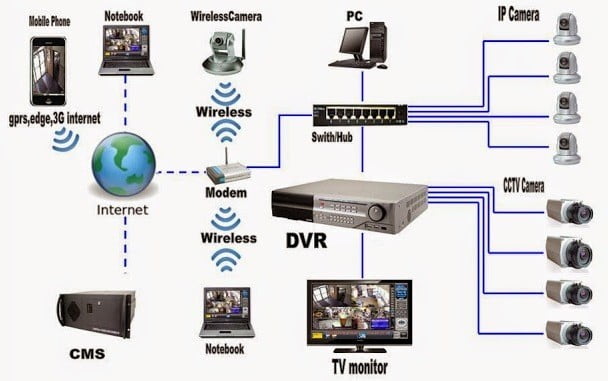
Despite a greater shift away from on-premise infrastructure and a move toward colocation and cloud providers, IT leaders see data center physical security as a major concern when moving to a third-party data center. Threats like ransomware and DDoS, as well as stringent regulatory requirements, are on everyone’s mind as they seek to maintain control of their company’s data and computing resources. However, those with malicious intent are going to extreme lengths to steal data.
Environment Monitoring Systems
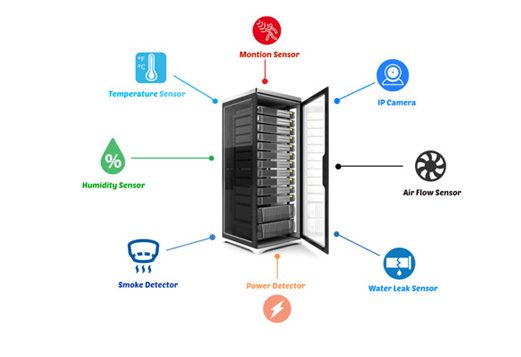
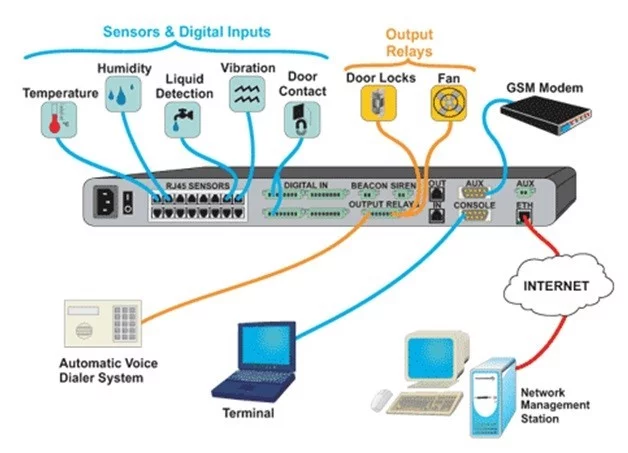
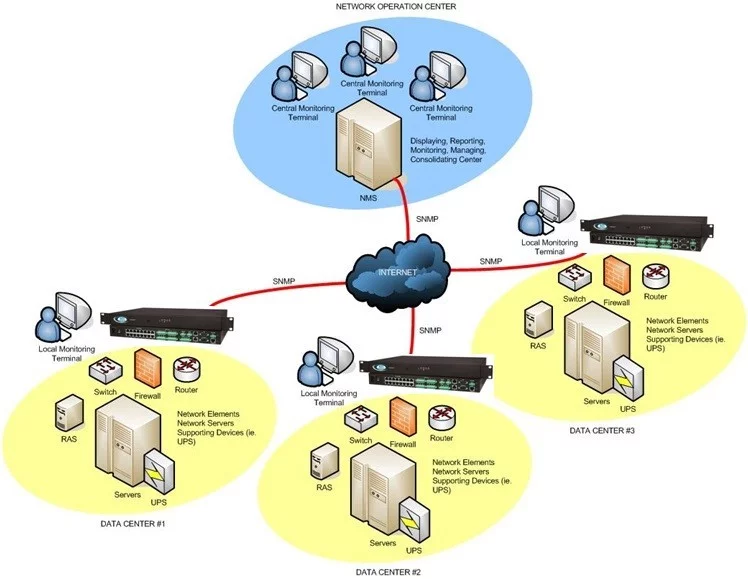
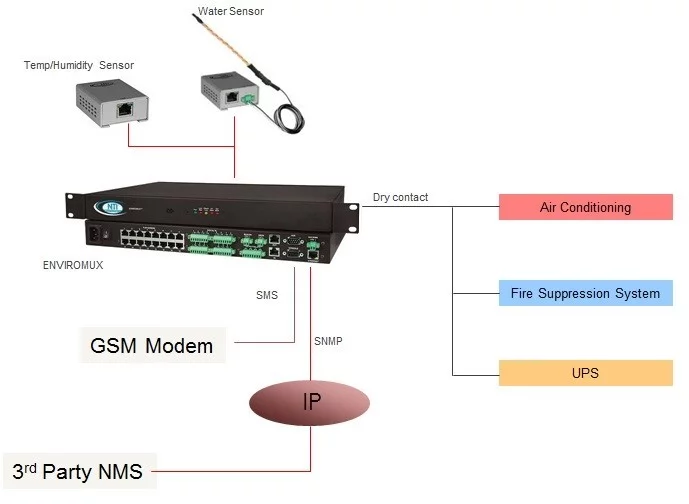
Data center environmental monitoring is the process of collecting key metrics related to the operating conditions of a facility to manage costs, lower power-related CO2 emissions, and avoid heat or humidity problems that can impact equipment. Examples may include facility and system temperature, relative humidity, power consumption, and total airflow. An environmental monitoring system (EMS) is typically an array of sensors and dashboards used to collate the collected data and display it in a usable format for data center operators.
Modern EMS solutions are always improving and changing to meet new DC challenges, utilizing more sophisticated sensor technologies that give precise insights into the health of the environment within, near, and around equipment racks. Effective utilization of these tools will help data center operators make informed, data-driven decisions and potentially mitigate the risks associated with environmental issues.
Data Center Infrastructure Management
Data Center Infrastructure Management (DCIM) Software Defined
Data Center Infrastructure Management (DCIM) software is a new class of software that gives data center operators the ability to run efficient data center operations and improve data center infrastructure planning and design. It typically replaces Excel, Visio, and home grown databases. DCIM software can bridge information across organizational domains – Data Center Ops, Facilities, and IT to maximize utilization of the data center.
DCIM software provides data center operations managers with the ability to identify, locate, visualize, and manage all physical data center assets, quickly provision new equipment, and confidently plan capacity for future growth. DCIM tools can also help control energy costs, improve data center design, and increase operational efficiency.
PT. AEROBIZ PROSPERINDO
E-mail : aw.ptaerobiz@gmail.com
Website : http://www.aerobiz.co.id